What is cold water shock?
Understanding Cold Shock and Its Role in Hypothermia
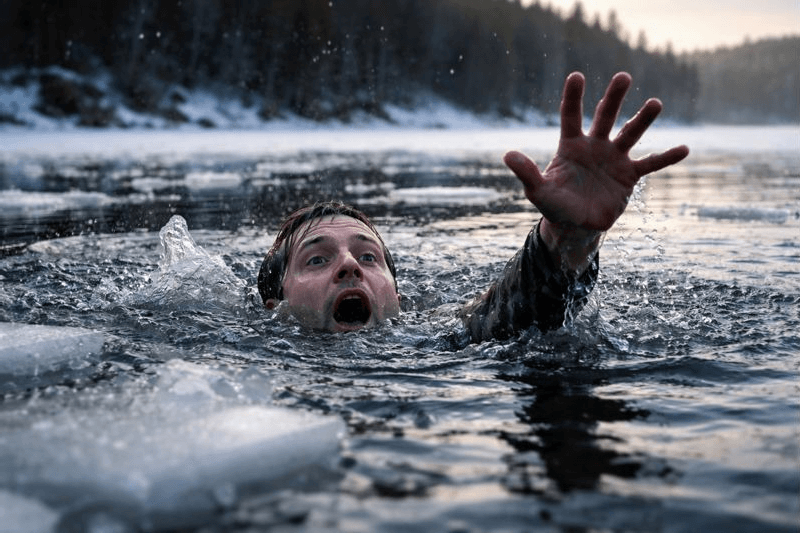
Cold-water immersion is one of the most serious hazards faced by boaters, paddlers, anglers, and anyone who spends time near cold environments. While most people think of hypothermia as the primary threat, the truth is that cold shock—the body’s immediate reaction to sudden immersion—is often far more dangerous in the first critical moments. Cold shock can incapacitate a person within seconds and is responsible for many cold-water deaths long before hypothermia even sets in.
What Is Cold Shock?
Cold shock is the body’s instant physiological response to a sudden drop in skin temperature. When a person unexpectedly falls into cold water—especially water below 15°C (59°F)—the temperature difference between the air and the water triggers a violent reaction. The shock is caused by nerves in the skin signaling the brain that the body is undergoing extreme thermal stress.
This reaction occurs within the first 1–3 minutes of immersion and represents the most dangerous phase of cold-water exposure. Even strong swimmers can lose control of their breathing or panic before they have time to react.
The Four Main Components of Cold Shock
1. The Involuntary Gasp Reflex
The first and most dangerous reaction is the uncontrollable gasp that occurs when the body hits cold water. If a person’s head is underwater at that moment, they may inhale water and quickly drown. This instant gasp cannot be suppressed, even by someone who is mentally prepared.
2. Hyperventilation and Breathing Loss of Control
Immediately after the gasp reflex, the person begins hyperventilating—breathing rapidly and uncontrollably. This can cause dizziness, panic, and an overwhelming urge to thrash or struggle. During this stage, it becomes nearly impossible to swim efficiently or make rational decisions.
3. Heart and Circulatory Stress
Cold shock places tremendous stress on the cardiovascular system. Blood vessels constrict rapidly to preserve core heat, increasing blood pressure and forcing the heart to work harder. For individuals with heart conditions—or for anyone experiencing extreme panic—cold shock can trigger dangerous heart rhythm problems.
4. Loss of Physical Control
Contrary to popular belief, most victims of cold-water accidents do not die because they cannot swim; they die because cold shock prevents them from swimming in the first place. The sudden temperature change triggers a decrease in muscle coordination, leading to decreased grip strength, stiff limbs, and difficulty keeping the head above water.
This stage is sometimes referred to as the swim failure phase, where even a short distance to shore may be impossible to cover.
Cold Shock vs. Hypothermia
Although the two are closely related, cold shock and hypothermia occur at very different stages.
-
Cold shock happens immediately (0–3 minutes). It affects breathing, heart function, and muscle control.
-
Hypothermia develops later (10–60+ minutes, depending on water temperature). It results from a gradual loss of core body heat.
In other words, many people never reach the hypothermia stage because cold shock incapacitates them long before.
Why Life Jackets Matter
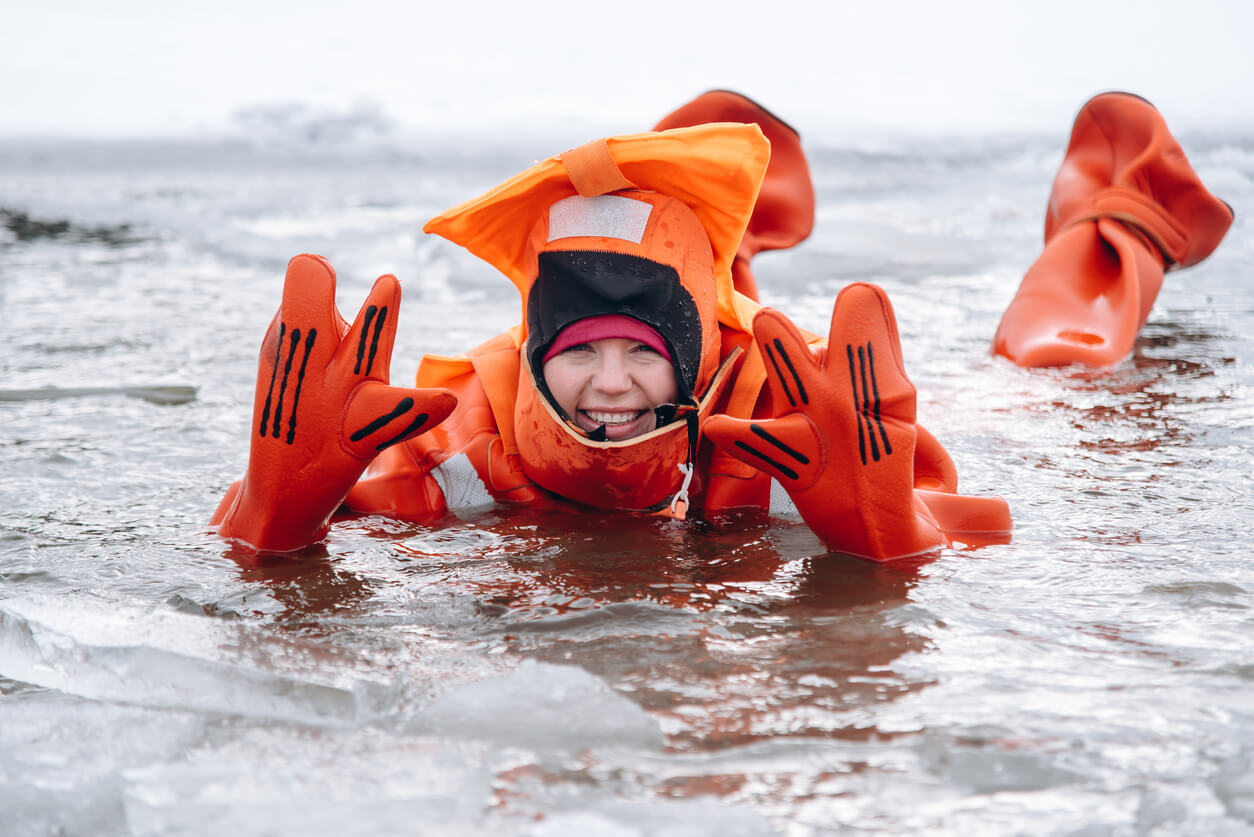
A life jacket is the single most important factor in surviving cold shock. Because cold shock disrupts breathing and motor control, a person who is not wearing a life jacket may drown before they can stabilize their breathing. A properly fitted life jacket keeps the head above water during the dangerous first minutes, increasing the chances of survival significantly.
How to Survive Cold Shock
Experts emphasize the “1-10-1 rule”:
-
1 minute to get your breathing under control
-
10 minutes of meaningful movement before muscle control decreases
-
1 hour before loss of consciousness due to hypothermia
The most important step is to float, breathe, and remain calm until the shock response passes.