What Does “Runs Aground” Mean?
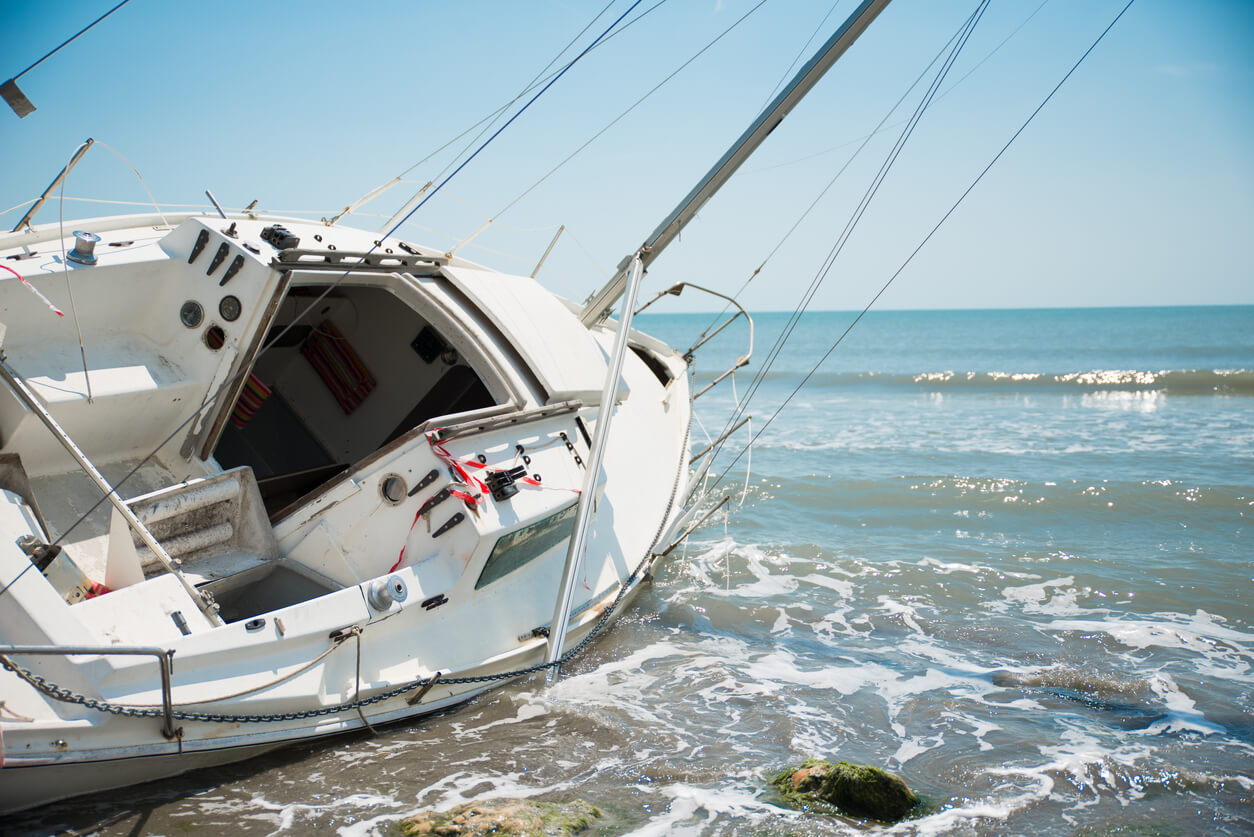
The phrase “runs aground” refers to a boat, ship, or any watercraft that unintentionally hits the bottom of a body of water and becomes stuck. This happens when the hull makes contact with the seabed, a sandbar, rocks, mud flats, or any underwater obstruction. Once the vessel is no longer floating freely, it is considered aground.
Running aground is one of the most common accidents in recreational boating, especially in shallow coastal areas, rivers, lakes, and unfamiliar waterways. While some groundings are minor, others can cause serious damage to the hull, propeller, rudder, or engine.
How It Happens
Boats run aground for several common reasons:
1. Navigating in Shallow Water
The most frequent cause is simply entering water that’s too shallow for the boat’s draft. “Draft” is the vertical distance between the waterline and the bottom of the hull. If the water depth becomes less than the boat’s draft, the boat will hit the bottom.
2. Misreading (or Ignoring) Nautical Charts
Charts show safe depths, hazards, and navigation markers. If a boater doesn’t check them—or misinterprets them—they may enter dangerous shallow zones.
3. Tides Changing the Depth
In tidal areas, a passage that’s deep at high tide can become dangerously shallow when the tide goes out. Many boaters ground themselves without realizing the tide dropped beneath them.
4. Relying Too Much on Electronics
GPS and depth sounders are great tools, but not perfect. Sandbars move, channels shift, and electronics may lag or glitch. Over-reliance can lead a boater into trouble if they aren’t also using visual cues and charts.
5. Speeding Through Unfamiliar Waters
Moving quickly leaves little time to react to hazards. Most smart boaters slow down in unknown zones for this exact reason.
Types of Grounding
Not every grounding is the same. Here are the main types:
**1. Soft Grounding
The boat gently settles into mud, sand, or soft sediment. Damage is usually minimal. Many soft groundings can be corrected by:
-
Reversing the engine
-
Waiting for the tide
-
Shifting weight onboard
-
Being towed off by another boat
**2. Hard Grounding
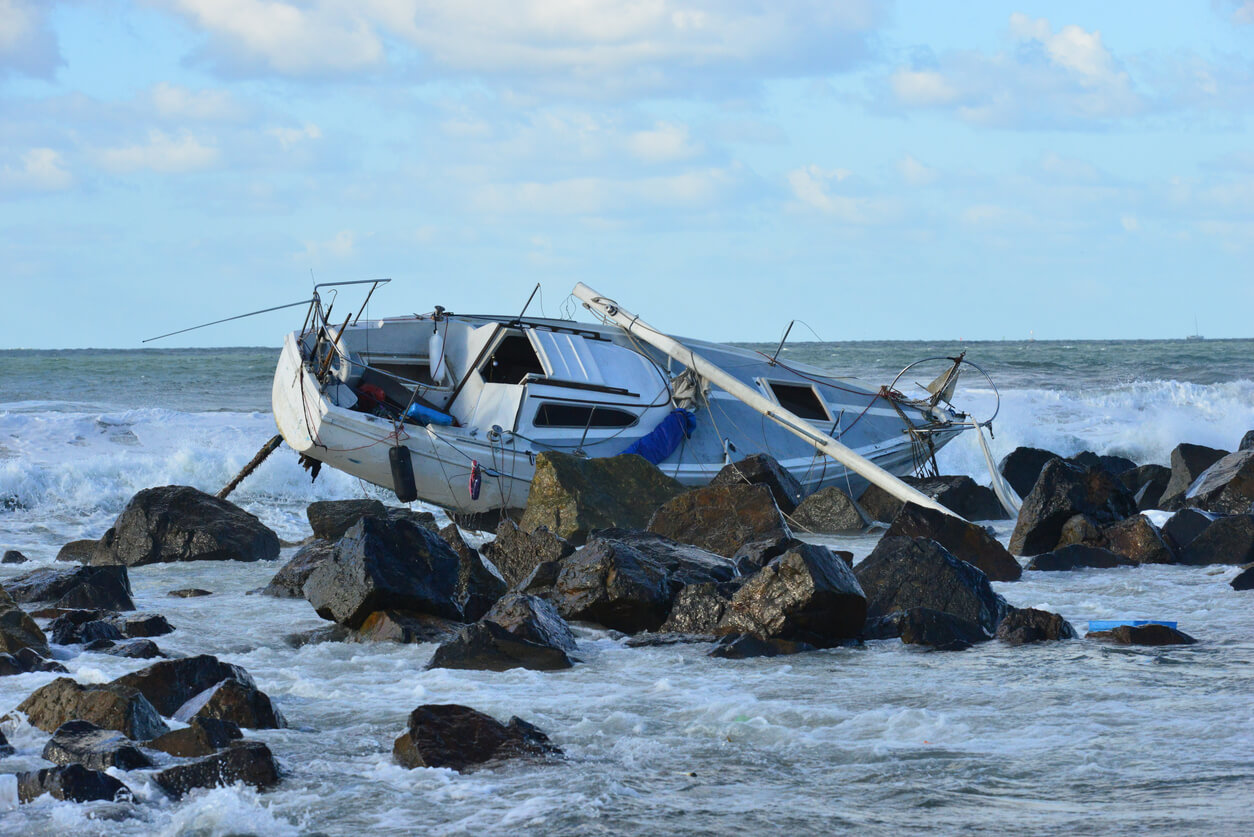
The vessel strikes rocks, coral, or a solid object at speed. This can cause:
-
Cracked hull
-
Damaged propeller
-
Bent rudder
-
Leaking or flooding
Hard groundings are more dangerous and often require inspection or repairs.
What It Means for the Boat and Crew
Running aground often results in:
1. Loss of Maneuverability
The boat cannot move or steer properly because the hull is stuck.
2. Possible Mechanical Damage
Propellers, outdrives, and lower units are extremely vulnerable in shallow water. Even light contact can cause expensive repairs.
3. Safety Risks
If the hull is damaged and water enters, the crew may need to take immediate action such as activating the bilge pump, calling for assistance, or donning life jackets.
4. Delay and Inconvenience
Even a harmless grounding delays the trip, sometimes until high tide returns.
How Boaters Avoid Running Aground
Experienced boaters use multiple strategies to prevent groundings:
-
Study charts before traveling
-
Follow channel markers (red-right-returning, green on the left when heading inland)
-
Use a depth sounder but don’t rely on it fully
-
Understand local tides
-
Keep a proper lookout for water color changes (lighter water often means shallow areas)
-
Slow down in unfamiliar zones
Good seamanship—not just technology—is key to avoiding problems.