What a Boating Life Vest Is
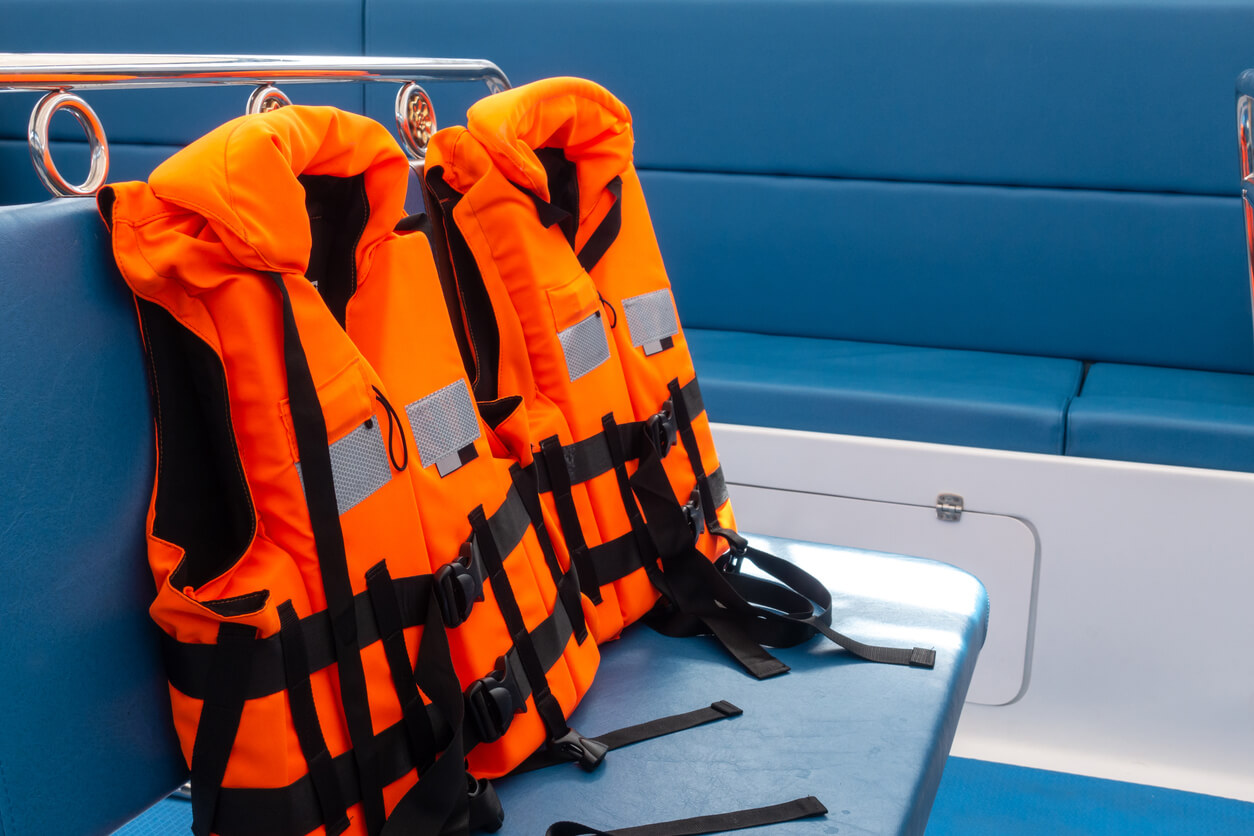
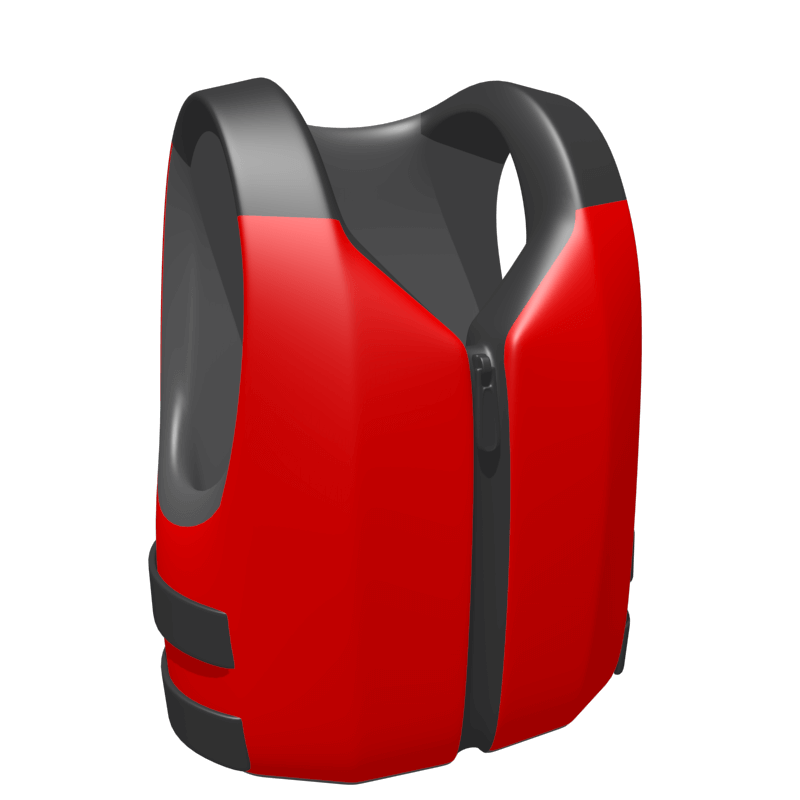
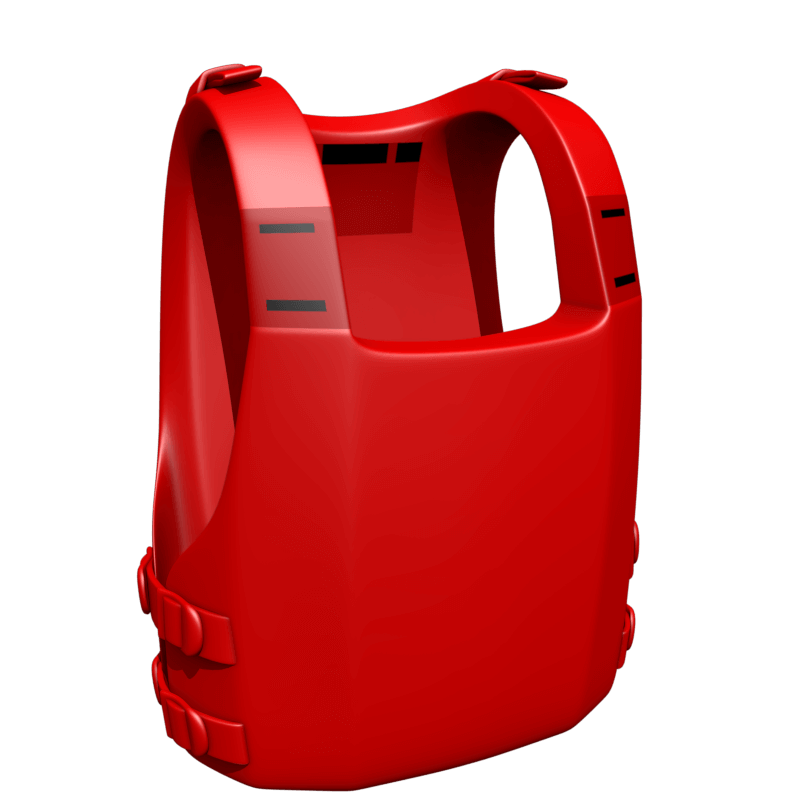
A boating life vest is a specially designed vest filled with buoyant (floaty) material or inflatable chambers that provide enough lift to keep your head and body above water. Its main purpose is to prevent drowning.
Key Features
-
Buoyancy: Helps you float even if you’re tired, injured, or unable to swim.
-
Snug fit: Adjustable straps keep the vest from slipping off.
-
Bright colors & reflective patches: Make you easier to spot in the water.
-
Whistle attachment (sometimes): For signalling in an emergency.
-
Foam or inflatable: Foam vests work automatically; inflatable ones require pulling a cord or auto-inflate on contact with water (adult use).
Why a Life Vest Matters
-
It keeps your airway above water.
-
It provides flotation if you slip, fall, or get pulled into the water unexpectedly.
-
It adds safety during watersports, boating, kayaking, jet skiing, fishing, and more.
-
It is required by law: most countries (including Canada and the U.S.) require one on board for every person, and kids must often wear it at all times.
Types of Boating Life Vests
1. Traditional Foam (most common for kids and everyday boating)
Always floats—no activation needed.
2. Inflatable PFDs (for adults only)
Lighter and less bulky but must inflate manually or automatically.
3. Specialized Life Jackets
For waterskiing, wakeboarding, sailing, fishing, offshore boating, etc.
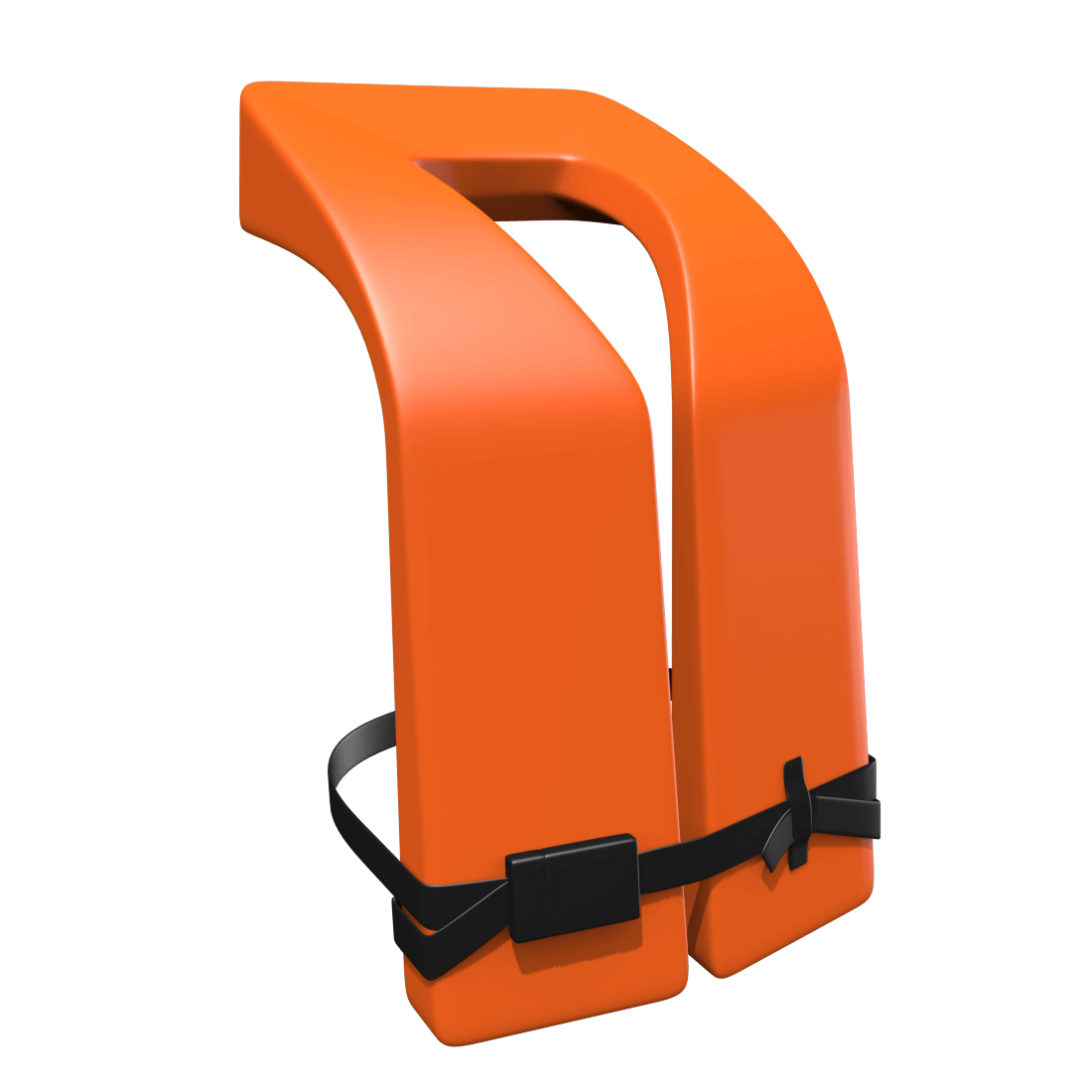
Type 1 Life Vest (PFD)?
Offshore Life Jackets
- A TYPE I PFD, or OFFSHORE LIFE JACKET provides the most buoyancy.
- It is effective for all waters, especially open, rough, or remote waters where rescue may be delayed.
- It is designed to turn most unconscious wearers in the water to a face-up position.
- The TYPE I comes in two sizes: Adult size provides at least 22 pounds of buoyancy, the child size, 11 pounds, minimum.
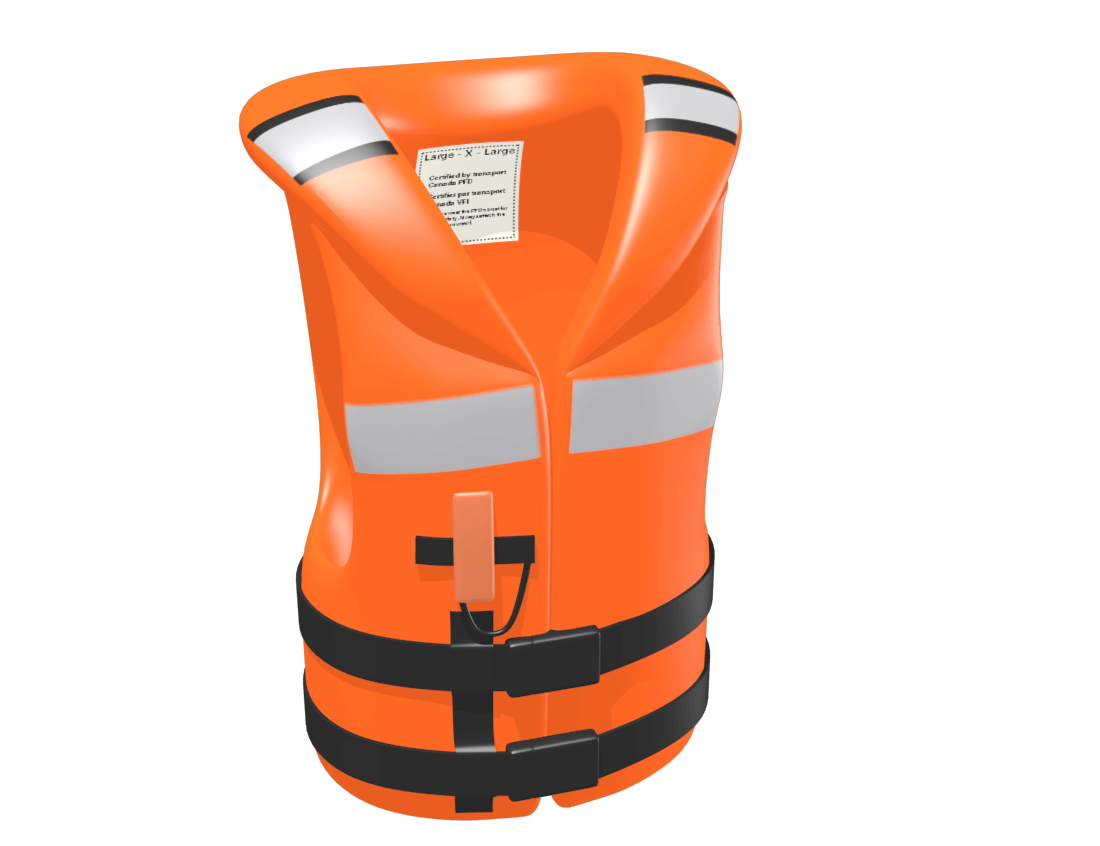
Type 2 Life Vest (PFD)?
Near-Shore Vests
- A TYPE II PFD, NEAR-SHORE BUOYANT VEST is intended for calm, inland water or where there is a good chance of quick rescue.
- This type will turn some unconscious wearers to a face-up position.
- The turning action is not as pronounced nor as effective as a TYPE I.
- An adult size provides at least 15.5 pounds buoyancy, a medium child size provides 11 pounds. Infant and small child sizes each provide at least 7 pounds buoyancy.
Type 3 Life Vest (PFD)?
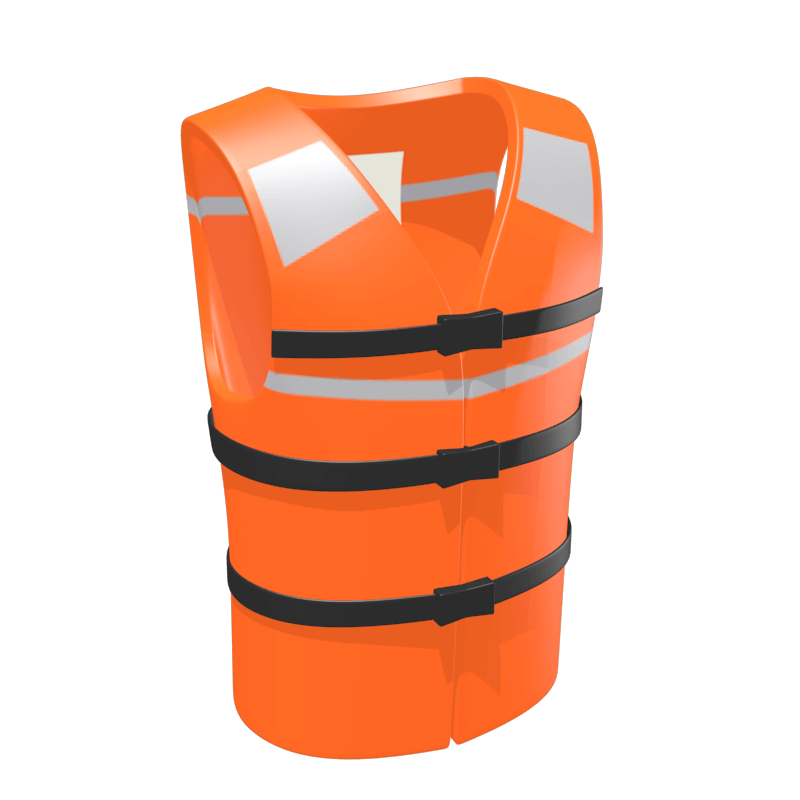
Flotation Aids
- A TYPE III PFD, or FLOTATION AID, is good for calm, inland water, or where there is a good chance of quick rescue.
- This PFD type will not turn unconscious wearers to a face-up position.
- The wearer may have to tilt their head back to avoid turning face down.
- TYPE III has the same minimum buoyancy as a TYPE II PFD. Float coat, fishing vests, and vests designed for various water sports are examples.
- Some Type III PFDs are designed to be inflated upon entering the water.
Type 4 Life Vest (PFD)?
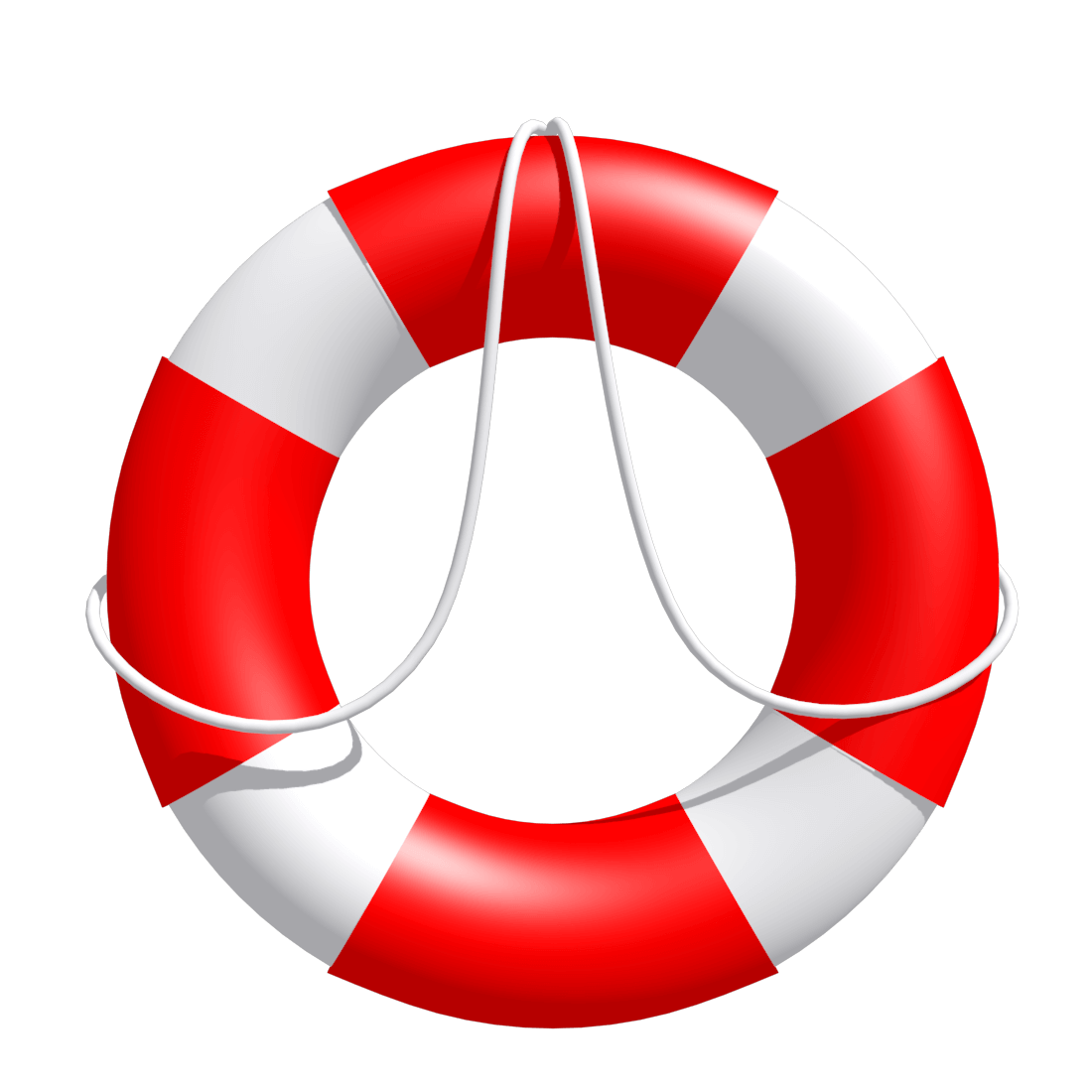
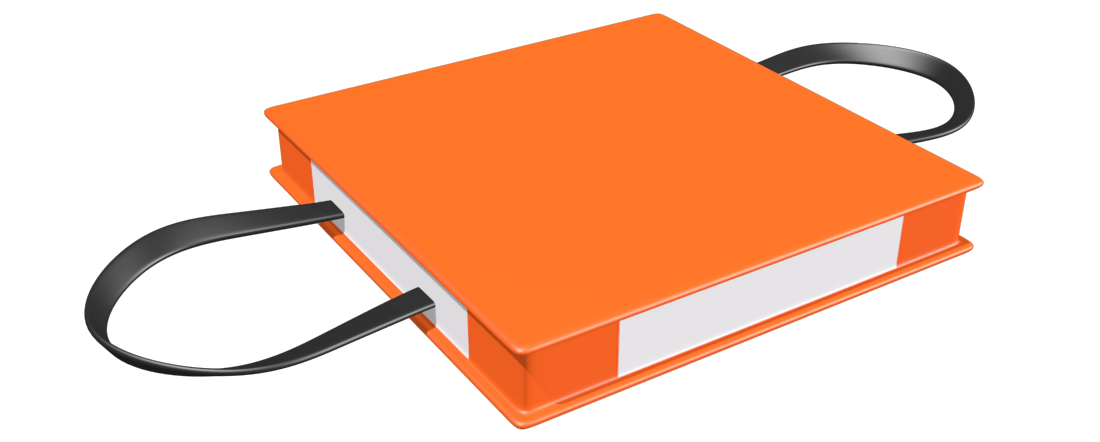
Throwable Devices
- A TYPE IV PFD, or THROWABLE DEVICE, is intended for calm, inland water with heavy boat traffic, where help is always present but can be used in open water as well.
- It is designed to be thrown to a person in the water and grasped and held by the user until rescued.
- It is not designed to be worn.
- Type IV devices include buoyant cushions, ring buoys, and horseshoe buoys.
Type 5 Life Vest (PFD)?
Special-Use Devices
- TYPE V, special use devices, are intended for water sports (such as windsurfing, kayaking, or waterskiing) and can be used only for the specified conditions.
- They can be deck suits, work vests, board-sailing vests and others.
- They are the least bulky.
- Some are designed to automatically inflate when entering the water.
- It contains a small amount of inherent buoyancy and an inflatable chamber and must be worn when underway to be acceptable.
- USCG-approved inflatable PFDs must be functional and armed. Check and replace spent cartridges in inflatable PFDs.