10 safety tips for anglers
Here are 10 safety tips for anglers — whether you’re fishing from shore, a dock, or a boat. Each tip helps you stay safe, prepared, and ready for a great day on the water.
1. Wear a Life Jacket at All Times
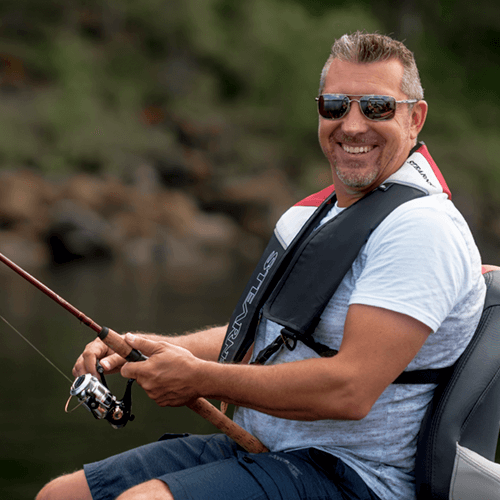
Even experienced swimmers should wear a properly fitted life jacket when fishing near or on the water. Slippery rocks, sudden waves, or strong currents can cause unexpected falls. Choose a comfortable, lightweight PFD (Personal Flotation Device) designed for anglers so you can move and cast freely while staying protected.
2. Be Aware of Weather Conditions
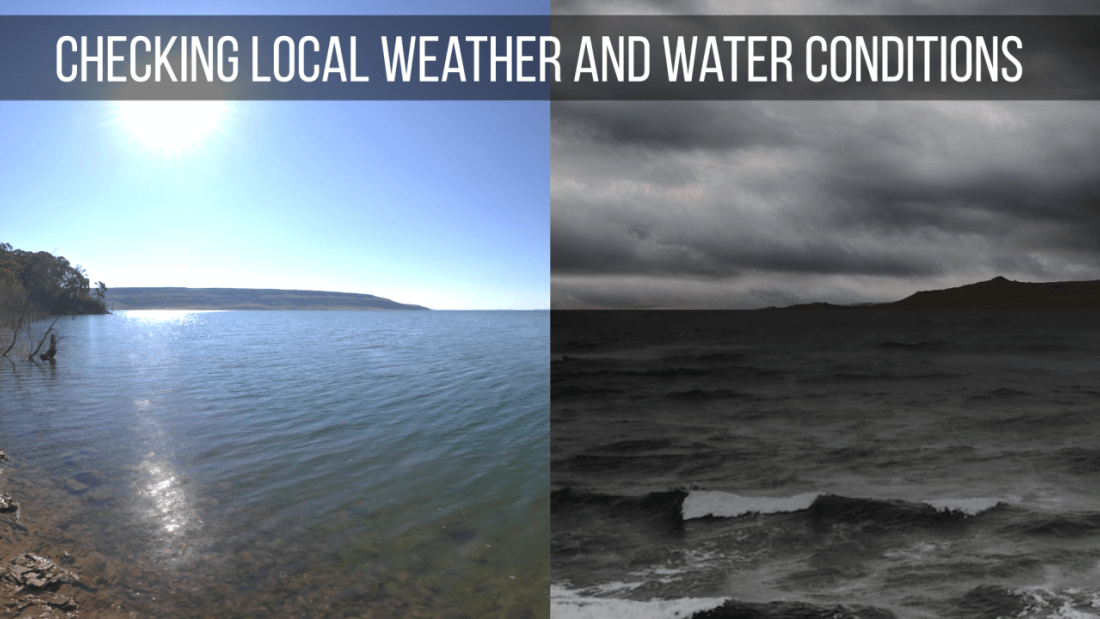
Always check the weather forecast before heading out. Sudden storms, lightning, or strong winds can make fishing dangerous. If you see dark clouds, rising waves, or hear thunder, pack up immediately and seek shelter. Keep extra clothing in case of rain or temperature drops, and never fish in lightning.
3. Handle Hooks and Knives Carefully
Fishing gear can cause serious injuries. Use caution when handling hooks, knives, or lures — especially with others nearby. Keep hooks covered or stored in tackle boxes when not in use. When removing a hook from a fish, use pliers or a hook remover to avoid cuts or punctures.
4. Protect Yourself from the Sun
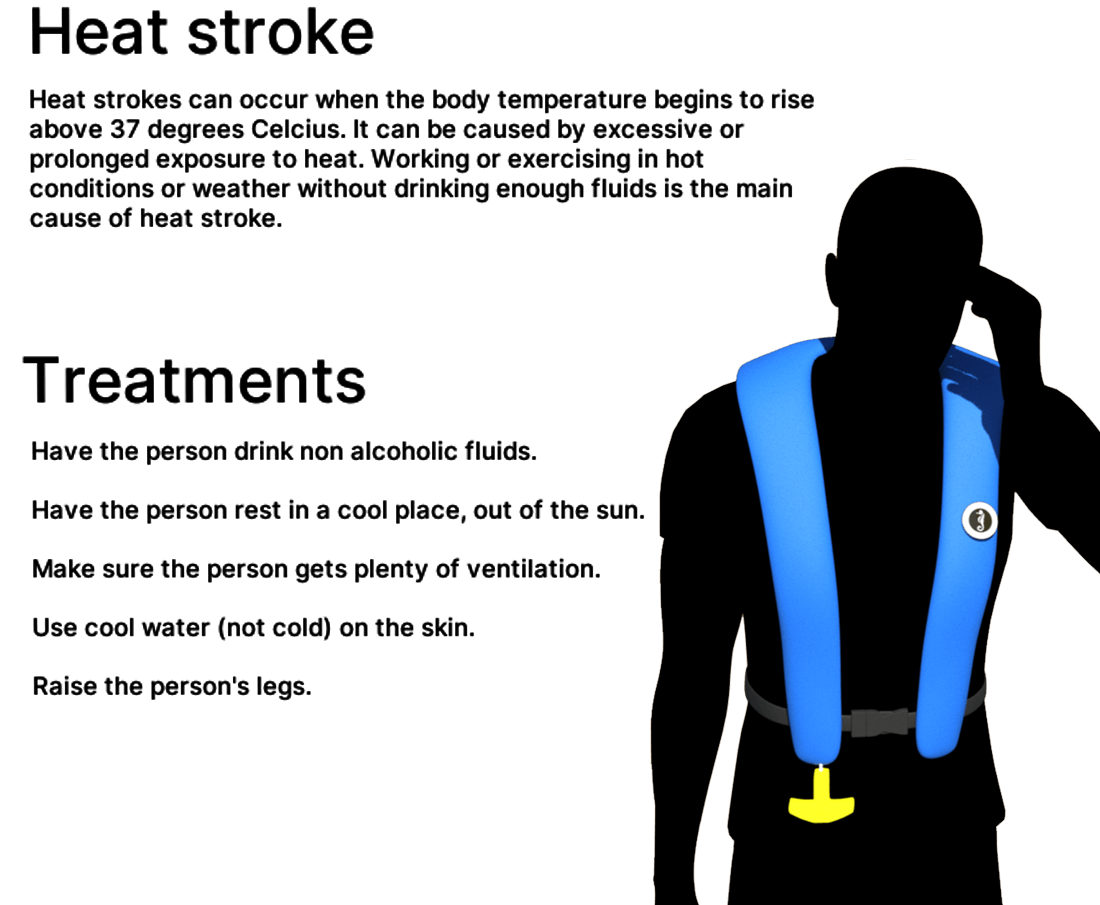
Long hours outdoors can lead to sunburn or heat exhaustion. Wear sunscreen (SPF 30+), polarized sunglasses, and a wide-brimmed hat. Lightweight, long-sleeve clothing helps protect against both UV rays and insect bites. Stay hydrated by drinking plenty of water and taking breaks in the shade.
5. Keep a Safe Casting Zone
Before casting, look behind and around you to ensure no one is within range of your hook or line. Hooks travel fast and can easily snag a person’s skin, clothes, or gear. Use shorter casts when fishing in crowded areas, and announce your cast if others are nearby.
6. Maintain Stable Footing
Slippery rocks, muddy banks, or wet boat decks can lead to falls. Wear non-slip footwear with good traction, and move cautiously when walking on uneven ground or near edges. If you’re wading, use a wading belt and test depth carefully with a stick or wading staff before stepping forward.
7. Carry a First Aid Kit
Always keep a small waterproof first aid kit in your tackle box or boat. Include bandages, antiseptic wipes, tweezers, adhesive tape, and pain relievers. Quick care for minor cuts, hook punctures, or insect bites can prevent infections or complications — especially in remote fishing areas.
8. Stay Visible and Follow Boating Rules
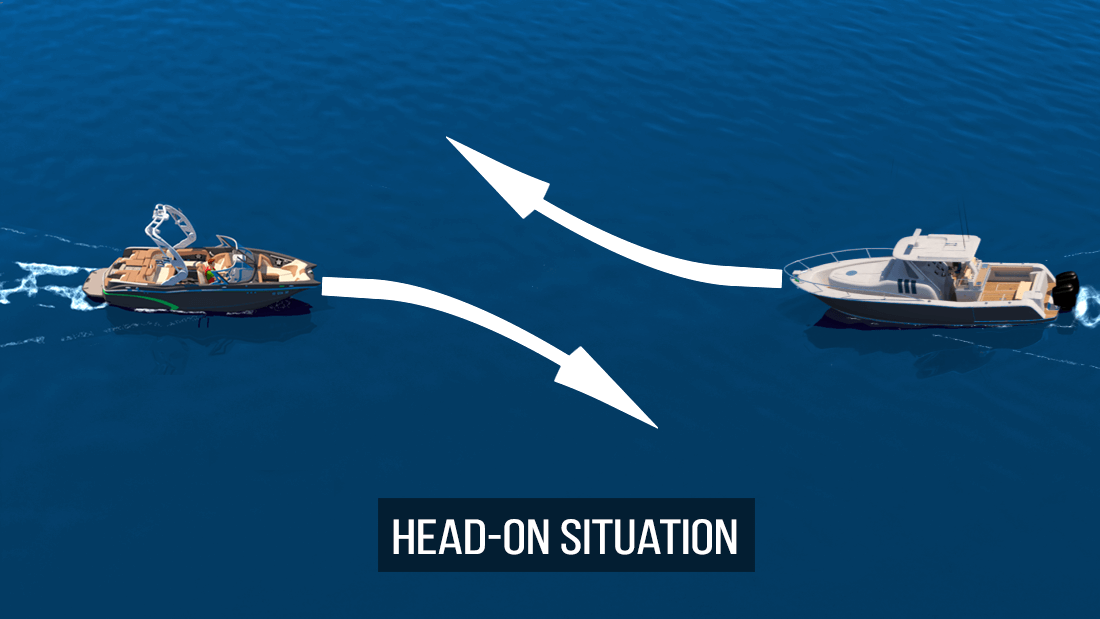
If fishing from a boat or kayak, display proper navigation lights and stay visible to other watercraft. Wear bright clothing or reflective gear, especially at dawn, dusk, or in fog. Follow all local boating safety rules, speed limits, and right-of-way guidelines to avoid collisions with other vessels.
9. Respect Wildlife and the Environment
Avoid fishing in restricted or hazardous areas. Watch for snakes, bears, or aggressive birds, depending on your region. Dispose of used line, bait containers, and trash properly to protect wildlife. Fish safely and ethically — never disturb nesting sites or damage vegetation along the shore.
10. Let Someone Know Your Plans
Always tell a friend or family member where you’re going and when you plan to return. In remote areas, carry a cell phone, GPS, or personal locator beacon (PLB). If you encounter an emergency, rescuers will have a much better chance of finding you quickly.
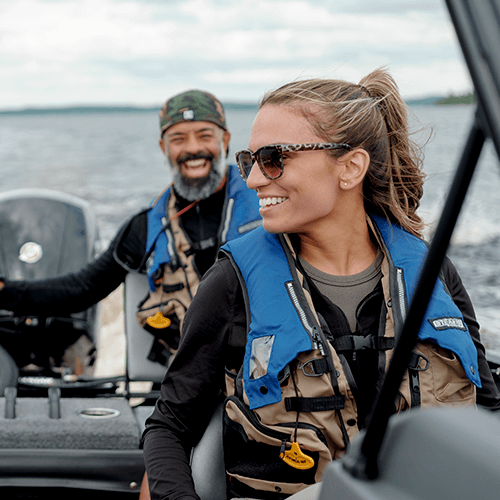
Most states and provinces require you to complete an approved boating safety course before operating a boat. We make it easy!
Select the course for your state—or take our Canadian boating course—pass the final exam, earn your official boater education card, and you’ll be ready to enjoy your first fishing adventure safely and confidently.