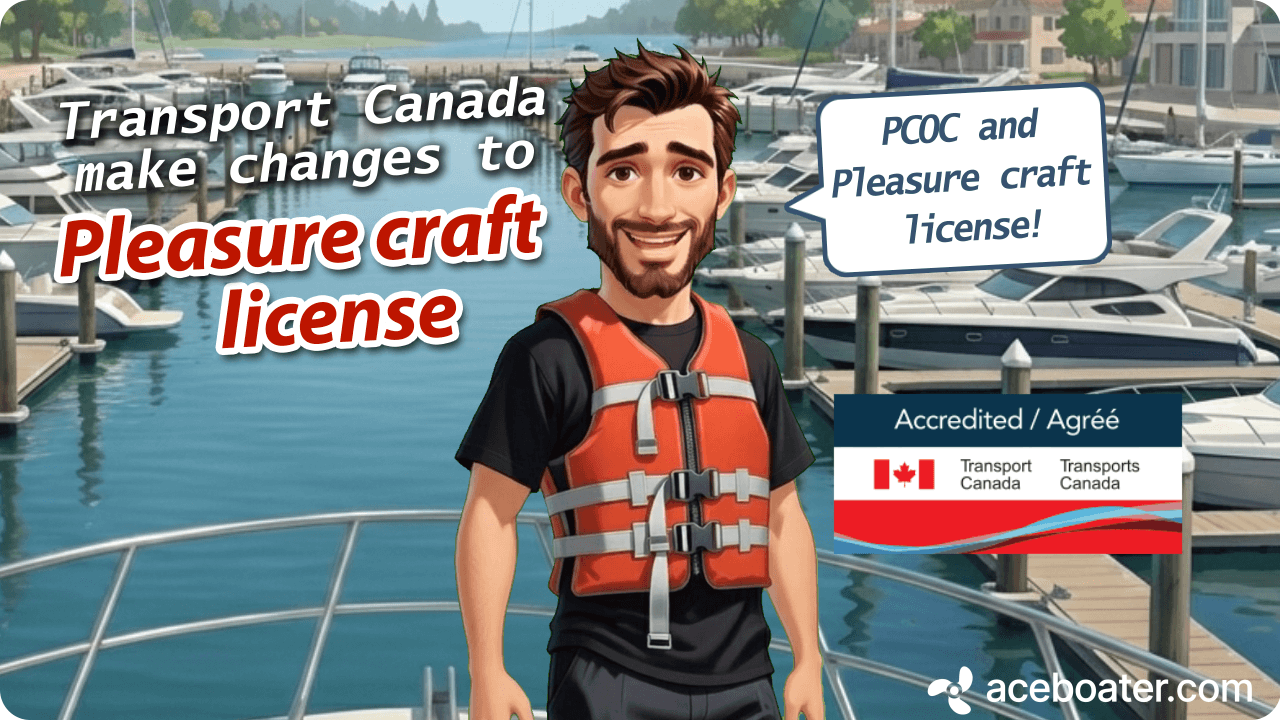
Transport Canada Pleasure Craft License (boating license) changes 2026 New and renewed licences are valid for 5 years
Understanding Canada’s Pleasure Craft Licence: What It Is and How It Differs from a PCOC
Boating is a popular pastime across Canada. To ensure safety and proper regulation, the federal government requires certain documentation for boats and their operators. Two of the most important documents are the Pleasure Craft Licence (PCL) and the Pleasure Craft Operator Card (PCOC). While these two are sometimes confused, they serve very different purposes, and it’s essential for boat owners and operators to understand the distinction.
What Is a Pleasure Craft Licence (PCL)?
A Pleasure Craft Licence is issued for the boat itself, not the operator. It is a unique identification number assigned to a vessel, similar to a vehicle licence plate. A PCL is required for any recreational boat with at least one engine and a combined total of 10 horsepower or more. The licence helps authorities quickly identify the owner of a vessel in situations like emergencies, accidents, or when dealing with abandoned or unsafe boats.
The PCL is tied to the boat, not the person, which is why even if multiple people operate the same boat, only one PCL is needed for the vessel. It ensures that authorities can always trace ownership and maintain accurate records for enforcement, safety, and environmental protection purposes.
Pleasure Craft Licencing System - Transport Canada
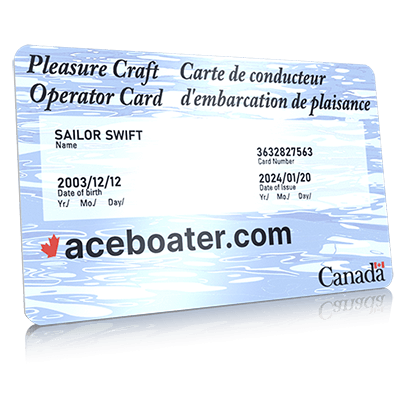
How Is a PCL Different from a PCOC?
The Pleasure Craft Operator Card (PCOC), on the other hand, is for the person operating the boat. It’s similar to a driver’s licence and is mandatory for anyone operating a motorized pleasure craft in Canada. To obtain a PCOC, a boater must complete an accredited boating safety course and pass a test demonstrating knowledge of navigation rules, safety practices, and emergency procedures.
In short:
-
PCL = Licence for the boat
-
PCOC = Licence for the person operating the boat
Both are legally required for safe and compliant boating, but they serve different functions. Having a PCOC without a PCL (when one is required) or vice versa would mean the boat or operator is not meeting federal regulations.
What Has Changed About the PCL?
Transport Canada has recently updated the rules surrounding PCLs. Effective December 31, 2025, new and renewed pleasure craft licences are only valid for five years, replacing the previous system of 10-year or lifetime licences. Existing lifetime licences will be gradually phased out and replaced with five-year licences when renewed.
Boat owners are now required to pay a $24 service fee for issuing, renewing, transferring, or replacing a licence. This fee will increase annually based on inflation. Additionally, licence holders must update any changes to their name or address within 30 days instead of the previous 90-day period. These changes aim to ensure accurate ownership records and help authorities respond more efficiently in emergencies or when vessels are abandoned or unsafe.
Starting in 2028, wind-powered pleasure craft over six metres in length will also require a PCL. This expands the system to include larger sailboats, ensuring all sizable recreational vessels are properly registered.
Why the PCL Matters
Having a PCL is not just a legal requirement—it’s a key part of marine safety. Accurate registration allows emergency responders and law enforcement to identify and locate owners quickly. It also supports efforts to address abandoned or hazardous boats, which can be dangerous for other water users and the environment.
Transport Canada emphasizes that these updates strengthen boating safety, protect the environment, and ensure that ownership information is accurate. Recreational boating is a significant part of Canadian culture, and modernizing the licensing system helps authorities keep pace with the way Canadians use waterways today.
Final Thoughts
For Canadian boaters, understanding the difference between a PCL and a PCOC is essential. The PCL is for the boat, ensuring that each vessel has a unique identification, while the PCOC is for the operator, confirming they have the knowledge and skills to navigate safely. With the five-year renewal system now in place, staying up to date with your Pleasure Craft Licence is crucial for compliance, safety, and responsible boating.