Nova scotia Fishing Licence: Who Needs One, and How to Get It
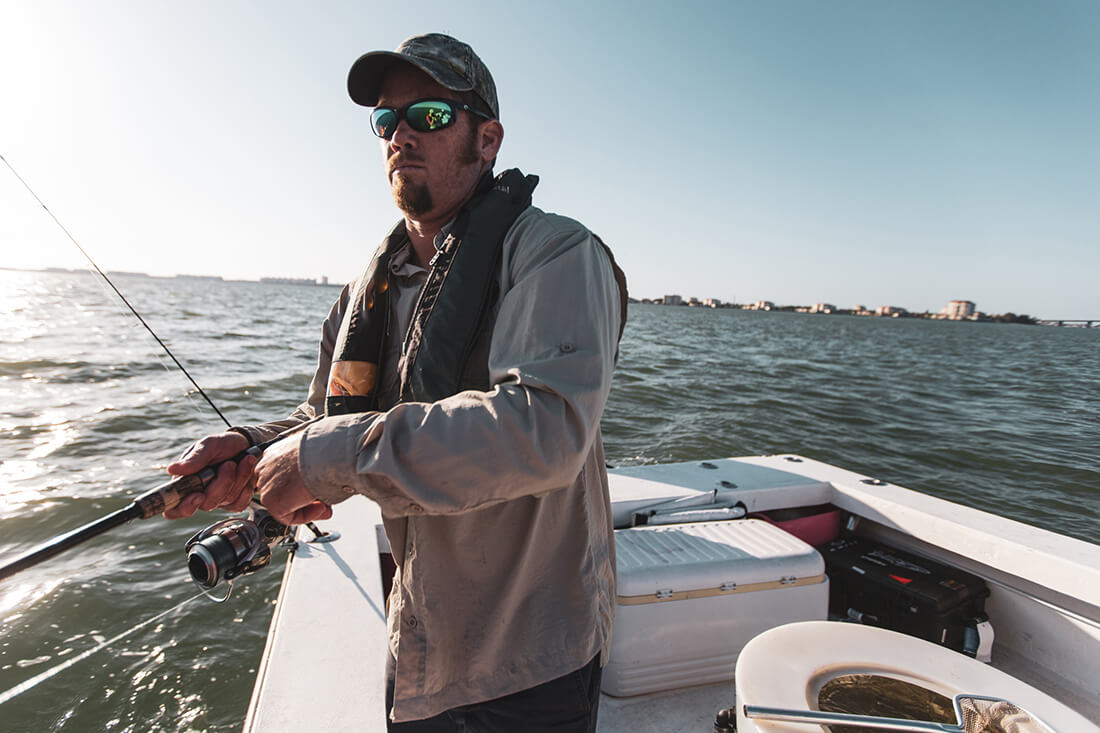
In Nova Scotia, licences apply primarily to inland freshwater fishing (such as trout, smallmouth bass, chain pickerel, and other species). Saltwater/recreational ocean fishing currently does not require a general recreational licence, although certain species—like Atlantic salmon—have special rules.
Here’s who must carry a licence when freshwater fishing:
1. Nova Scotia Residents
Residents aged 16 and older must hold a valid Nova Scotia Sportfishing Licence to fish in inland waters.
-
Residents under 16: No licence required.
-
Residents 65+: Still require a licence, but the fee is reduced.
2. Canadian Non-Residents
Canadian visitors from other provinces or territories must purchase a Non-Resident Licence (annual or temporary) to fish freshwater species.
-
Under 16: No licence required (follow all limits).
-
16 and older: Licence required.
3. Foreign Non-Residents
U.S. and international visitors must carry a Non-Resident Licence as well.
-
Under 16: No licence required.
-
16 and older: Licence required.
4. Indigenous Rights Holders
Mi’kmaq and other Indigenous peoples exercising treaty or Aboriginal harvesting rights may fish without a recreational licence for food, social, or ceremonial purposes.
These rights do not extend to:
-
Recreational sportfishing
-
Commercial harvesting without proper permits
5. Special Cases
You do not need a freshwater sportfishing licence when:
-
Participating in a registered Free Family Fishing Weekend
-
Fishing saltwater species for recreation (exceptions apply for certain species)
What Species Require a Nova Scotia Fishing Licence?
You need a freshwater licence to catch:
-
Brook trout
-
Brown trout
-
Rainbow trout
-
Smallmouth bass
-
Chain pickerel
-
White perch
-
Yellow perch
-
Sunfish
-
Speckled trout
-
Lake trout (in open seasons)
Important Exception: Atlantic Salmon
Atlantic salmon fishing requires:
-
A separate licence, issued only in limited areas
-
Strict catch-and-release rules
-
Mandatory barbless hooks
Salmon licences cost more and require anglers to follow unique zone regulations.
Types of Nova Scotia Fishing Licences
Nova Scotia offers several sportfishing licence formats:
1. Annual Licence (Resident or Non-Resident)
Valid for the standard fishing season, which typically runs April 1 to March 31 the following year.
2. Single-Day Licence
Great for short visits or spontaneous day trips.
Available for both residents and non-residents.
3. Seven-Day Licence
Ideal for tourists visiting Nova Scotia for a week-long vacation.
4. Seniors Licence
Reduced-fee licence available for residents aged 65+.
5. Salmon Licence
Separate category with stricter rules and higher fees.
Seasons and Freshwater Regulations
Nova Scotia’s freshwater fishing season usually:
-
Opens April 1
-
Closes September 30 for most species
However, species-specific and region-specific regulations apply. The province is divided into Inland Fisheries Zones, each with unique rules regarding:
-
Open seasons
-
Daily bag limits
-
Size restrictions
-
Gear restrictions (e.g., artificial fly only)
Always check the Nova Scotia Anglers’ Handbook, which is updated yearly.
Bag and Possession Limits
Limits vary by species. Some examples:
Brook Trout
-
Daily limit: 2–5 depending on zone
-
Barbed hooks allowed unless otherwise stated
Rainbow & Brown Trout
-
Daily limit: Often 2 or 5, depending on water body
Smallmouth Bass
-
Daily limit: Often 2
-
Some lakes have catch-and-release only
Chain Pickerel
-
Daily limit: Often 25
-
This is because pickerel are invasive and managed to reduce spread
Limits may change yearly, so consulting the latest guide is essential.
How to Get a Nova Scotia Fishing Licence
Nova Scotia has made the licensing process fast and accessible.
1. Buy Online (Fastest Method)
Use the Nova Scotia Hunt & Fish Licensing System.
Steps:
-
Visit the provincial online licensing portal
-
Create an account or log in.
-
Select the sportfishing licence type.
-
Choose resident or non-resident category.
-
Select duration (annual, 1-day, 7-day, salmon, etc.).
-
Pay online by credit card.
-
Print your licence or save a digital copy.
Digital copies are accepted as long as they are accessible on your phone.
2. Buy In Person
Licences are available at:
-
Service Nova Scotia centres
-
Many gas stations and convenience stores
-
Fishing tackle shops
-
Tourism offices
-
Some provincial parks and lodges
It’s always wise to confirm availability before visiting.
3. Through Lodges & Outfitters
Guided fishing trips often include licence assistance.
Some outfitters can issue licences directly or help you register online.
Special Rules for Gear and Methods
Nova Scotia enforces conservation rules designed to protect trout populations and natural ecosystems.
Barbless Hooks
Required in several rivers and all salmon waters.
Bait Restrictions
Some trout rivers require:
-
Artificial lures only
-
Artificial flies only
-
No live bait
These rules are common in catch-and-release or high-quality trout streams.
Lead Restrictions
Lead may be prohibited in sensitive waters. Check local regulations.
Two-Line Rule
In most freshwater areas, anglers may use one line only unless ice fishing rules allow otherwise.
Saltwater (Ocean) Fishing Rules in Nova Scotia
Recreational ocean fishing (e.g., mackerel, striped bass, cod retention pilot seasons) does not currently require a general licence, but:
-
Bag limits apply
-
Minimum sizes apply
-
Closed areas exist
-
Some species (tuna, shark) require federal permits
Striped bass, for example, has very specific retention seasons and size slots depending on region.
Penalties for Fishing Without a Licence
Fishing freshwater without a licence can result in:
-
Fines
-
Confiscation of gear
-
Charges under the Nova Scotia Fisheries and Coastal Resources Act
-
Possible suspension of future fishing privileges
Conservation officers patrol heavily during the April trout opener and throughout summer.
Why Nova Scotia Requires Fishing Licences
Revenue from sportfishing licences directly supports:
-
Habitat restoration
-
Trout stocking programs
-
Stream enhancement
-
Biologist research
-
Fish passage projects
-
Conservation officer staffing
-
Public access and boat launch maintenance
This system ensures healthy fish populations and quality angling opportunities for years to come.
Top Tips for Fishing Legally and Successfully in Nova Scotia
-
Save your digital licence on your phone AND carry a printed copy.
-
Review the Nova Scotia Anglers’ Handbook annually.
-
Respect private property near streams.
-
Always check whether a water body is stocked, wild, or catch-and-release only.
-
Clean, drain, and dry your gear to prevent spreading invasive species.
-
Follow live-bait rules carefully.
-
Observe all size and bag limits—officers take trout protection seriously.
Safety is the foundation of every great day on the water, whether you’re fishing solo or spending time with family and friends. You can take a Transport Canada–approved online boating safety course trusted by more than 2.5 million Canadians. The course covers everything you need to boat confidently — from navigation rules and emergency procedures to choosing the right life jacket and handling a capsized vessel. You can complete the course, pass the official exam, and print your boating licence (Pleasure Craft Operator Card) in just a few hours. Start today and get ready for safer adventures on the water!